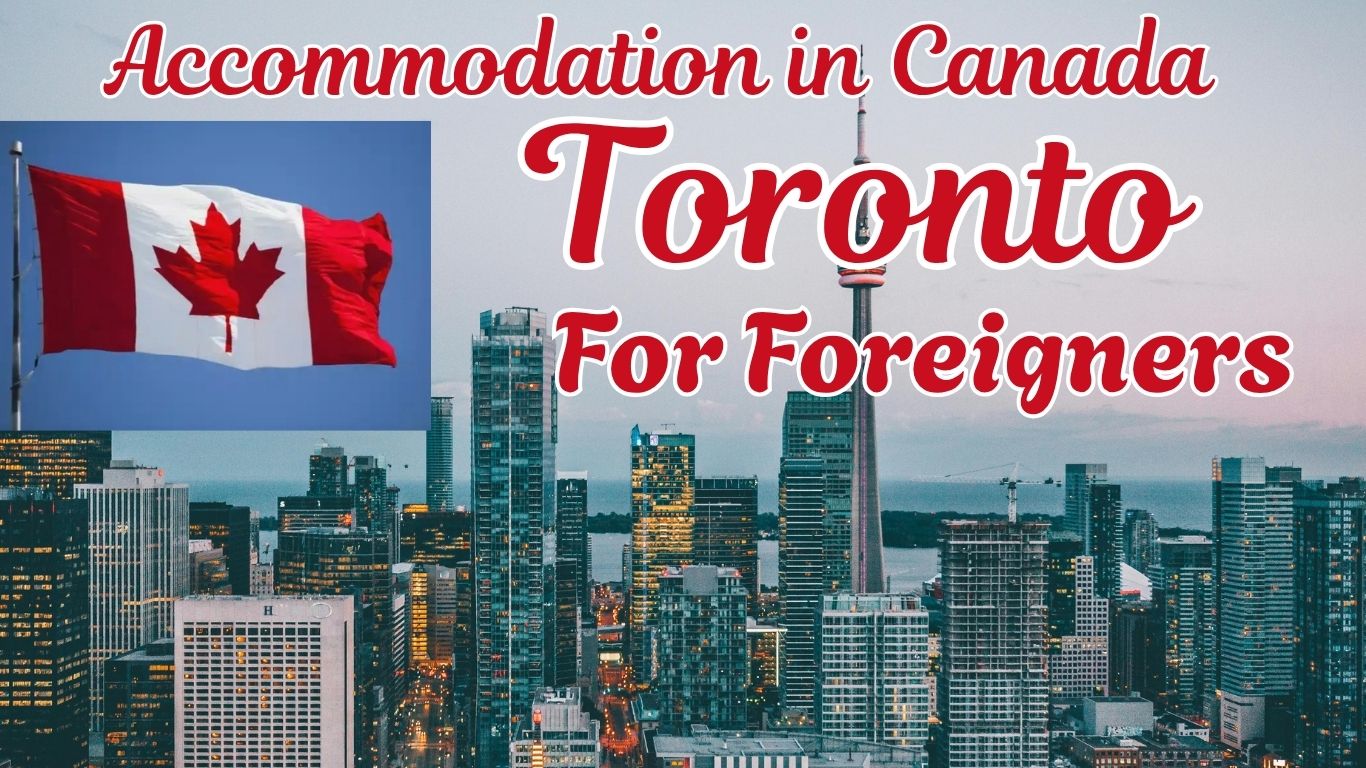
Introduction: The Real Struggle Behind Relocating Abroad
Let’s be honest, moving abroad sounds exciting until reality hits.
You’ve probably seen people post pictures from Canada, nice apartments, clean streets, stable jobs, and a life that looks sorted. But what they don’t show you is the beginning, the confusion, the stress, and especially the challenge of finding a place to stay.
For many Nigerians and others from developing countries, accommodation is the first real obstacle after getting a visa. You land in Toronto with hope, but suddenly you’re dealing with:
- High rent prices
- Strict landlord requirements
- No credit history
- Limited funds
- Fear of scams
And if you make the wrong choice, it can drain your savings quickly.
This guide is built to help you avoid that.
Whether you’re coming to Canada for work, school, or to start a new life, this post will walk you through everything you need to know about accommodation in Toronto in a practical and easy-to-follow way.
Why Toronto Is a Top Destination for Newcomers
Toronto is the largest city in Canada and one of the most immigrant-friendly cities in the world.
Why People Choose Toronto
- Strong job market
- Diverse population (you won’t feel alone)
- High minimum wage compared to many countries
- Good public transport
- Opportunities for career growth
But here’s the trade-off: Toronto is expensive, especially housing.
Types of Accommodation in Toronto
Understanding your options is the first step to making a smart decision.
This is the most common option for Nigerians and international students.
What It Means:
You rent a room in an apartment or house and share:
- Kitchen
- Bathroom
- Living space
Average Cost:
| Type | Monthly Rent (CAD) |
|---|---|
| Shared room | $400 – $700 |
| Private room | $700 – $1,200 |
Pros:
- Affordable
- Easy to find
- No need for full documentation sometimes
Cons:
- Less privacy
- Different lifestyles can clash
Basement Apartments
Very common in Toronto.
What It Means:
A self-contained unit inside the basement of a house.
Average Cost:
| Type | Monthly Rent (CAD) |
|---|---|
| Studio basement | $900 – $1,400 |
| 1-bedroom basement | $1,200 – $1,800 |
Pros:
- Cheaper than main apartments
- More privacy
Cons:
- Limited sunlight
- Can feel small
Condos and Apartments
This is what most people aim for long-term.
Average Cost:
| Type | Monthly Rent (CAD) |
|---|---|
| Studio | $1,800 – $2,400 |
| 1-bedroom | $2,200 – $3,000 |
| 2-bedroom | $2,800 – $4,000 |
Pros:
- Comfort and privacy
- Modern facilities
Cons:
- Expensive
- Strict rental requirements
Short-Term Accommodation (Best for First Arrival)
This is what you should consider before securing permanent housing.
Options:
- Airbnb
- Hotels
- Hostels
Average Cost:
| Type | Price per Night (CAD) |
|---|---|
| Hostel | $40 – $80 |
| Airbnb room | $70 – $150 |
| Hotel | $120 – $300 |
Best Areas to Live in Toronto (For Budget & Convenience)
Affordable Areas for Newcomers
- Scarborough
- North York
- Etobicoke
These areas are popular among immigrants because:
- Rent is cheaper
- More shared housing options
- Strong immigrant communities
Expensive Areas (Avoid at First)
- Downtown Toronto
- Yorkville
- King West
Cost of Living in Toronto
Here’s what your monthly expenses might look like:
| Expense | Average Cost (CAD) |
|---|---|
| Rent (shared) | $600 – $1,000 |
| Food | $250 – $500 |
| Transport | $156 |
| Phone & Internet | $50 – $100 |
| Miscellaneous | $100 – $300 |
Total Monthly Estimate:
$1,200 – $2,000 (minimum survival budget)
Jobs in Toronto: What You Can Expect
Many newcomers worry about how quickly they can earn.
Common Entry-Level Jobs
| Job | Hourly Pay (CAD) |
|---|---|
| Warehouse worker | $16 – $22 |
| Cleaner | $15 – $20 |
| Security guard | $16 – $22 |
| Restaurant staff | $15 – $18 |
| Caregiver | $17 – $25 |
Step-by-Step Guide: How to Find Accommodation in Toronto
Step 1: Start Before You Arrive
Search online platforms:
- https://www.kijiji.ca
- https://www.facebook.com/marketplace
- https://www.rentals.ca
- https://www.zumper.com
Step 2: Set a Realistic Budget
Rule of thumb:
Don’t spend more than 40% of your income on rent
3rd Step: Contact Multiple Listings
- Send messages early
- Be polite and clear
- Introduce yourself
4th Step: Ask the Right Questions
- Are utilities included?
- Is there a lease?
- How many people live there?
- Any extra charges?
5th Step: Inspect Before Paying
Never send money without:
- Seeing the place physically or via video
- Confirming the landlord’s identity
How to Apply for an Apartment in Toronto
Getting an apartment in Toronto is not just about finding a place; it’s about convincing a landlord to trust you. And this is where many newcomers get stuck.
Before applying, you need to understand one thing:
Landlords in Canada are risk-averse
They want tenants who:
- Pay rent on time
- Have a stable income
- Have a good credit history
- Can stay long-term
If you don’t have these yet (which is normal), you’ll need to position yourself smartly.
Step 1: Search Smartly Using Trusted Platforms
Start your search using reliable platforms:
- https://www.kijiji.ca
- https://www.facebook.com/marketplace
- https://www.rentals.ca
- https://www.zumper.com
Pro Tip:
Set alerts on these platforms so you get notified immediately when new listings appear.
In Toronto, good apartments can be gone within hours.
Step 2: Prepare Your Rental Application Package
This is where you stand out.
Even before viewing apartments, prepare these:
Essential Documents:
| Document | Why It Matters |
|---|---|
| Passport or ID | Confirms identity |
| Job offer letter / employment letter | Shows income stability |
| Recent pay stubs | Proof of earnings |
| Bank statement | Shows financial strength |
| Credit report (if available) | Builds trust |
| Reference letter | Shows character |
If You’re New:
You may not have everything. That’s okay.
Replace missing documents with:
- Proof of savings
- Offer letter from employer
- School admission letter (for students)
Step 3: Book Viewings Like a Pro
When messaging landlords:
Don’t just say:
“Is this available?”
Instead say:
“Hello, my name is [Your Name]. I recently moved to Canada, and I’m very interested in this apartment. I have a stable income/savings and can provide documents. I’d love to schedule a viewing.”
This increases your response rate massively.
Step 4: What Happens During a Viewing
Treat it like a mini-interview.
Landlords are silently evaluating:
- Your attitude
- Cleanliness
- Communication
What You Should Check:
- Water pressure
- Heating system
- Noise level
- Condition of appliances
- Neighborhood safety
Step 5: Submitting Your Application
After viewing, you’ll fill out a rental application form.
What It Includes:
- Personal details
- Employment info
- Income details
- References
Be honest. Lying can get your application rejected.
Step 6: Paying First and Last Month’s Rent
In Canada, landlords usually require:
First month + Last month’s rent upfront
Example:
| Rent | Total Needed |
|---|---|
| $2,000/month | $4,000 upfront |
Step 7: Signing the Lease Agreement
Carefully review:
- Lease duration (usually 12 months)
- Rent amount
- Utilities included or not
- Rules (pets, noise, guests)
Never rush this step.
How to Get Accommodation Without a Job
This is one of the biggest concerns for newcomers and rightly so.
No job = higher risk in the eyes of landlords.
But here’s the truth:
Many people secure housing without jobs—you just need the right strategy.
This is the easiest entry point.
Why it works:
- Fewer requirements
- Lower cost
- Flexible payment options
Use:
Strategy 2: Show Proof of Funds
If you don’t have a job, show that you can still pay.
Example:
- Bank statement with $5,000–$10,000 CAD
- Proof of savings
This reassures landlords.
Strategy 3: Pay Several Months Upfront
Some landlords accept:
- 3 months upfront
- 6 months upfront
Important:
This is common but not officially required by law, so only do this with trusted landlords.
Strategy 4: Use a Guarantor
A guarantor is someone who agrees to pay if you don’t.
Requirements:
- Must live in Canada
- Must have good credit
- Must have stable income
Strategy 5: Use Student Advantage (If Applicable)
If you’re a student:
- Show your admission letter
- Show tuition payment proof
Some landlords prefer students because they’re seen as stable tenants.
Strategy 6: Offer to Sign a Longer Lease
This gives landlords confidence.
Example:
- 12-month lease instead of month-to-month
Common Mistakes to Avoid (This Can Save You Thousands)
Paying Before Seeing the Apartment
This is the #1 scam trap.
Red flag messages like:
- “I’m not in Canada right now.”
- “Send deposit to secure it.”
Never send money without verification.
Ignoring Lease Details
Many people sign leases without reading.
Watch out for:
- Hidden fees
- Utility exclusions
- Strict rules
Choosing Based on Price Alone
Cheap rent can come with:
- Bad neighborhoods
- Long commute
- Poor living conditions
Not Checking Commute Time
Transportation in Toronto matters.
Example:
- Cheap rent far away = higher transport cost + stress
Rushing the Process
Desperation leads to bad decisions.
Take your time, even if you’re staying temporarily.
Not Verifying the Landlord
Ask for:
- ID
- Ownership proof (if possible)
Overcommitting Financially
Don’t rent a $2,000 apartment if your income is unstable.
Practical Tips That Will Save You Money
Start Small and Upgrade Later
Many successful newcomers started with:
- Shared rooms
- Basement apartments
This helps you stabilize financially.
Use Public Transport Instead of Owning a Car
Toronto has reliable transit.
Monthly pass:
Around $156 CAD
Owning a car = insurance + fuel + maintenance
Cook Your Own Meals
Eating out regularly can drain your money fast.
Example:
| Option | Monthly Cost |
|---|---|
| Eating out often | $600 – $1,000 |
| Cooking at home | $250 – $400 |
Buy Second-Hand Items
Use platforms like:
You can get:
- Beds
- Chairs
- Tables
At very low prices.
Split costs with roommates.
Negotiate When Possible
Some landlords are open to:
- Slight rent reduction
- Flexible payment
Avoid Unnecessary Luxury at the Start
Don’t rush for:
- High-end condos
- Downtown living
Build stability first.
Track Your Expenses
Use simple budgeting methods.
Example breakdown:
| Category | Budget (CAD) |
|---|---|
| Rent | $700 |
| Food | $300 |
| Transport | $156 |
| Misc | $150 |
Take Advantage of Free Resources
- Libraries (free internet & workspace)
- Community centers
- Free newcomer programs
Build Connections
Join the Nigerian and immigrant communities.
They often:
- Share accommodation leads
- Help you avoid scams
- Recommend cheaper options
How to Secure Accommodation Faster
- Have documents ready
- Respond quickly to listings
- Be flexible with location
- Network with other Nigerians in Canada
FAQs About Accommodation in Toronto
How much money do I need before moving?
At least: $3,000 – $6,000 CAD for a safe start
Can I rent without a credit history?
Yes, but expect:
- Higher deposit
- Shared housing options
Is it better to book from Nigeria?
Short answer: Book temporary housing first.
How long does it take to find accommodation?
- Shared housing: 1–7 days
- Private apartment: 1–3 weeks
Is Toronto worth it despite the high rent?
Yes, because:
- Better income opportunities
- Career growth
- Long-term stability
Conclusion
Moving to Toronto can change your life, but only if you make smart decisions early.
Accommodation is not just about where you sleep.
It affects:
- Your finances
- Your mental health
- Your ability to settle quickly
Start small. Stay flexible. Avoid pressure.
Many people who are comfortable today in Canada started by sharing a room.
Your journey doesn’t need to be perfect; it just needs to be strategic.
Quick Action Checklist
Before you travel:
✔ Save at least $3,000 CAD
✔ Book temporary accommodation
✔ Join housing groups online
✔ Prepare your documents
After arrival:
✔ Get a SIM card
✔ Start viewing apartments immediately
✔ Avoid scams
✔ Choose affordability over comfort