Interested in understanding the requirements for B1 and B2 visa interview questions and how visa officers decide who gets approved or refused within minutes at the U.S. embassy?
This post will be of great and positive guidelines to you.
Stepping into the U.S. embassy for your B1 or B2 visa interview can feel like stepping into a high-stakes examination room.
Many applicants experience a mix of excitement, anticipation, and anxiety.
After all, this short interaction can determine whether you get the chance to travel for business, tourism, or to visit family and friends in the United States.
While the process might seem intimidating, understanding what to expect and how to prepare can make a significant difference.
This guide walks you through everything you need to know, with a focus on B1 and B2 visa interview questions, practical tips, and common mistakes to avoid.
Understanding the Purpose of the B1 and B2 Visa Interview
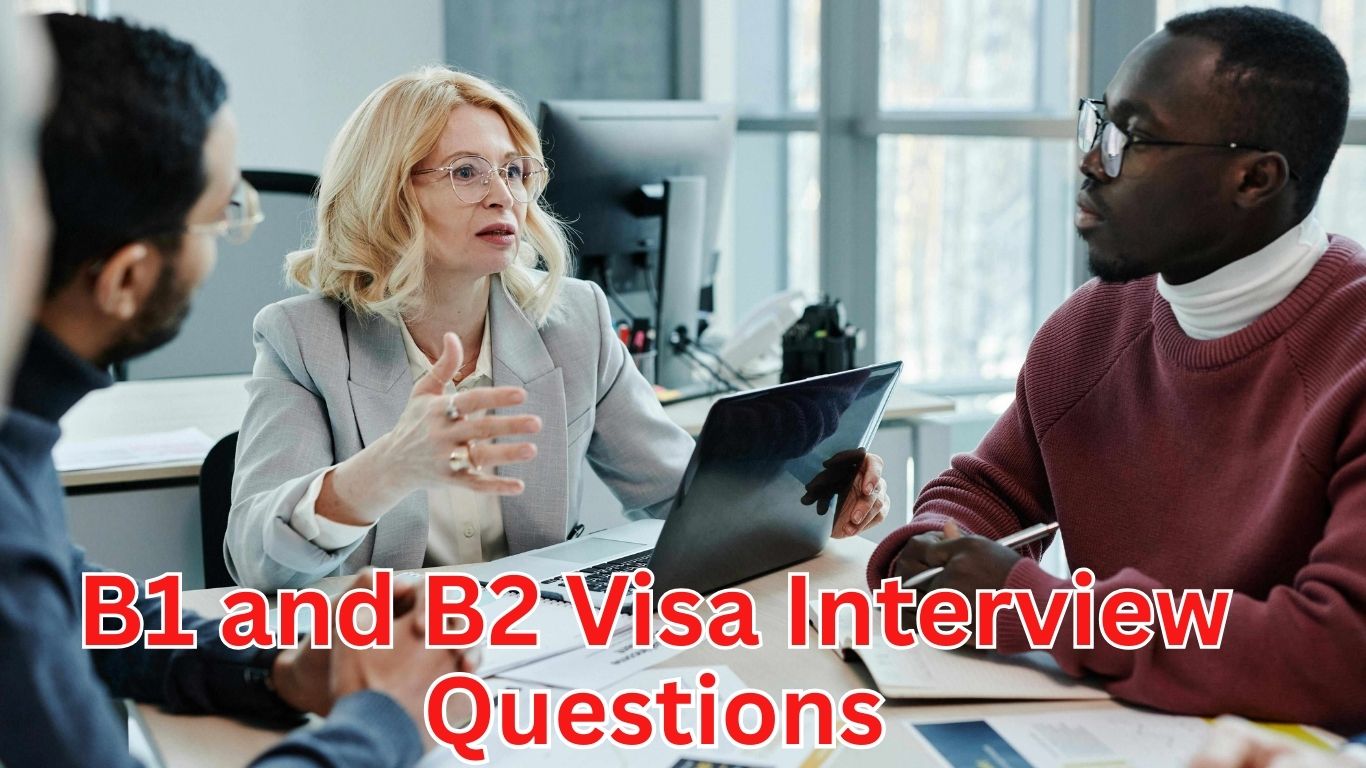
Before diving into specific B1 and B2 visa interview questions, it’s important to understand why the interview exists.
Visa officers are trained to assess the intentions of applicants.
Their goal is to ensure that visitors are genuine travelers who will comply with U.S. immigration laws and return to their home countries after their stay.
The interview usually lasts only a few minutes, but it is enough time for the officer to evaluate your answers, demeanor, and overall preparedness.
They are not looking to intimidate you rather, they want clear and truthful responses that demonstrate your plans, financial ability, and ties to your home country.
Remember, honesty is crucial. Providing false information can lead to immediate denial and potential long-term complications.
Even if you feel nervous, staying calm and composed can positively influence the officer’s impression.
Common Themes in B1 and B2 Visa Interview Questions
While every interview is unique, B1 and B2 visa interview questions generally fall into several recurring themes.
Understanding these themes allows you to prepare structured and confident answers.
1. Travel Purpose and Itinerary
Visa officers often begin by asking about the purpose of your trip. This is not just about stating “tourism” or “business” but providing a clear and specific explanation of your plans.
Business travelers might explain attending conferences, meetings, or training sessions. Including details like the company inviting you, dates, and location can strengthen your answer.
Tourists or family visitors should provide a brief itinerary, mentioning cities, landmarks, and activities. Highlighting pre-booked hotels, flight details, or invitation letters from relatives can add credibility.
For instance
I am attending a business seminar in New York organized by ABC Corporation from March 10 to March 15. I have already received the invitation letter and booked accommodation near the venue.
Providing a clear plan signals that you have a legitimate reason for your trip and that your stay is temporary.
2. Financial Preparedness
One of the most critical aspects of the interview is demonstrating that you can afford your travel without violating U.S. immigration rules.
Questions about finances are common in B1 and B2 visa interview questions.
Prepare your bank statements, pay slips, or proof of business ownership.
Be ready to discuss who is funding the trip if someone else is supporting you.
Avoid vague statements like I have enough money. Specific figures and documentation make a difference.
The officer wants to see that your stay will be financially self-sufficient. This reduces concerns about illegal employment or overstaying your visa.
3. Ties to Home Country
Perhaps the most important theme in B1 and B2 visa interview questions is demonstrating strong ties to your home country.
Officers need reassurance that you will return after your trip.
Employment:
Show proof of your job, such as letters from your employer or contracts.
Education:
For students, enrollment letters or transcripts indicate ongoing commitments.
Family:
Immediate family, especially children or elderly parents, can strengthen your case.
Property or business:
Ownership documents, leases, or business licenses are additional evidence.
Your goal is to convince the officer that returning home is more important than staying in the U.S. illegally.
4. Previous Travel History
Visa officers often ask about past international travel, including prior U.S. visas or denials.
This is a standard theme in B1 and B2 visa interview questions because it provides context for your current application.
If you’ve traveled abroad before and returned on time, highlight this.
If you have previously been denied a visa, be honest but explain any changes in your circumstances.
A strong travel history can indicate reliability, while transparency about past refusals shows honesty.
How to Prepare for Your B1 and B2 Visa Interview
Proper preparation is essential to navigate B1 and B2 visa interview questions successfully. Here’s a structured approach to getting ready:
1. Research and Understand Common Questions
Familiarize yourself with typical questions about travel purpose, finances, ties, and prior travel.
Practice answers that are concise, clear, and truthful. Avoid memorizing responses word-for-word, as this can make you sound rehearsed.
Preparation builds confidence and reduces nervousness during the interview.
2. Gather and Organize Your Documents
Having your documents organized shows professionalism and readiness. Key documents may include:
Passport valid for at least six months beyond your intended stay
Completed DS-160 form confirmation page
Appointment confirmation
Invitation letters (if applicable)
Bank statements, pay slips, or sponsorship letters
Travel itinerary, hotel reservations, and flight bookings
Presenting documents promptly when requested can make the interview smoother.
3. Dress Professionally and Arrive Early
Dressing appropriately shows respect for the process. For business, casually is generally recommended.
Arriving early allows you to handle security procedures calmly and observe the environment.
Small details like appearance and punctuality can positively influence the officer’s first impression.
4. Practice Confidence and Body Language
Your demeanor plays a subtle but significant role:
Maintain eye contact and sit upright.
Speak clearly and avoid fidgeting.
Smile when appropriate, but remain composed.
Confidence communicates that you are organized, truthful, and prepared.
5. Be Ready for Curveball Questions
Some officers may ask unexpected questions to gauge your honesty and consistency such as:
Why this specific travel period?
Who will take care of your responsibilities at home?
How did you fund this trip?
Answer calmly, clearly, and honestly. These questions are not meant to intimidate you but to ensure your intentions are genuine.
Common Mistakes to Avoid During B1 and B2 Visa Interviews
Even well-prepared applicants can make mistakes. Avoid these pitfalls to increase your chances of approval when facing B1 and B2 visa interview questions:
1. Providing Inconsistent Information
Ensure all answers match the information in your DS-160 form and supporting documents.
Inconsistencies can raise red flags and lead to refusal.
2. Over-explaining or Giving Irrelevant Details
Keep answers concise and relevant to the question.
Long-winded explanations can cause confusion and reduce credibility.
3. Being Dishonest
Any false statements, even minor, can result in visa denial and effect future applications.
Transparency, even about past visa refusals or travel gaps, is always the best approach.
4. Appearing Nervous or Unprepared
While some nervousness is natural, extreme anxiety can affect your answers.
Practice mock interviews with friends or family to build comfort.
5. Forgetting Supporting Documents
Not having required documents ready can create delays or give a negative impression.
Organize papers logically in a folder and know where each document is.
What Happens After the Interview
After completing your B1 and B2 visa interview questions, the officer will either approve, deny, or place your application under administrative processing.
Approval:
Your passport will be stamped with the visa, typically delivered via courier.
Refusal:
You will receive a refusal letter detailing the reason, often under section 214(b).
Administrative processing:
Additional review may be needed; this can take weeks, so plan travel accordingly.
Even if denied, understanding why helps you reapply successfully in the future.
Conclusion
Facing B1 and B2 visa interview questions can feel daunting, but preparation is key.
Understanding the purpose of the interview, anticipating common question themes, organizing your documents, and practicing confident communication all contribute to a smooth experience. Remember, the officer’s goal is not to intimidate you but to verify your intentions.
With careful preparation, honesty, and clarity, you can approach your interview calmly and confidently, bringing you one step closer to realizing your travel goals.
If traveling for business, tourism, or visiting loved ones, your B1 or B2 visa interview is the bridge to a new adventure.
Handle it with readiness and poise, you will be more likely to succeed.
Similar Post
Requirements for work permit in UK: Step by step guide
Work Permit in Germany: Requirements, Eligibility and Application Steps